


 |  |  |  |  |  |  |
|---|---|---|---|---|---|---|
 |  |  |  |  |  |  |
 |  |  |
PORTRAIT
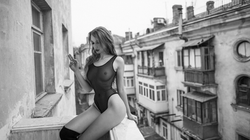
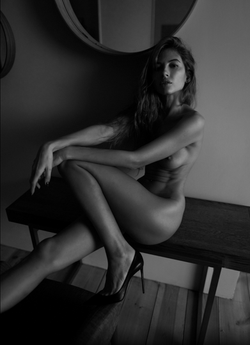
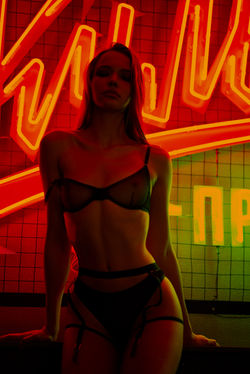
Born in Crimea, Vladislav was a rare example of a completely self-taught artist. He never attended photography schools, hardly ever participated in workshops, and developed his art through his visual culture: he spent hours in museums, studied classical photography and painting, and analyzed composition and light. "A photographer's main asset is their visual culture," he liked to say.
Midway through his creative journey, Vlad radically rethought his approach to retouching. After years of meticulous post-production, he admitted that altering bodies only made people unhappy. From that moment on, he refused to change physical characteristics and always championed ethical photography, where the model remains true to themselves.
Beyond nude photography, Vlad worked with collage. His Noir Stories series became an important milestone.
For Spivak, creativity was a space for experimentation. He might work with intense cinematic lighting, a 1,500-ruble compact camera, or a child's thermal printing toy—anything that helped him explore a new visual sensation without focusing on the equipment. He described himself as a committed feminist and believed there was nothing shameful about the human body. Vlad always opposed the representation of women as sexual objects. For him, a nude body was as natural and legitimate in art as a sculpture in a museum.
- Find his work in Normal Magazine issue #15 -

